When Would I Need to Contact an Emergency Dentist?
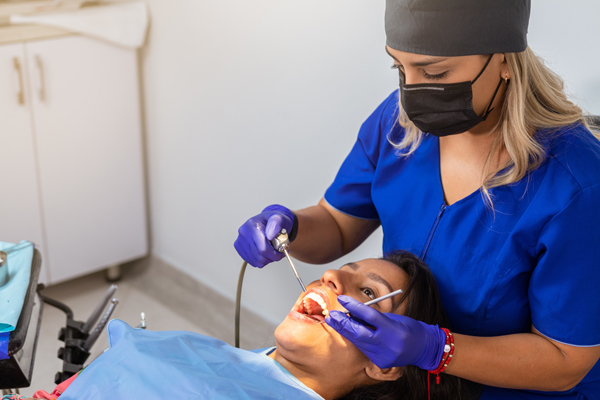
A sudden toothache, broken tooth, or swollen gum can turn an ordinary day into a stressful situation, making an emergency dentist an important resource. Some dental concerns can wait for a scheduled visit, but others need fast care to relieve pain and protect the tooth. Knowing what counts as a dental emergency can help patients act quickly and avoid unnecessary delays.
Understanding what an emergency dentist can do
An emergency dentist can help treat urgent but non-life-threatening oral health problems. They can provide urgent dental care that focuses on relieving discomfort, treating the cause of the problem, and protecting the natural tooth whenever possible. The goal is to get patients back to eating, speaking, and smiling as usual.
However, an emergency dentist cannot treat life-threatening injuries, even if the smile has been affected. Uncontrollable bleeding from the mouth, a fractured jaw, and signs of oral infection accompanied by a high fever are common examples. In these cases, the patient should first go to a hospital emergency room or call 911 for life-saving care.
When to contact an emergency dentist
Common reasons to seek urgent care from a dentist include:
Severe toothaches or dental pain
Contact an emergency dentist if tooth pain makes it difficult to sleep, eat, concentrate, or complete normal daily activities. Throbbing pain, pressure, pain that worsens when biting, or tooth sensitivity that lingers after hot or cold foods may point to a deeper problem. A dentist can examine the tooth, take X-rays when needed, and recommend treatment based on the cause.
Keep in mind that tooth pain can develop for many reasons. A cavity may reach the inner part of the tooth, a crack may expose sensitive tissue, or an infection may begin near the tooth root. Depending on the concern, a dentist may recommend a filling, crown, root canal treatment, or another restorative option.
Whatever the necessary treatment, accessing it early can often help preserve more of the natural tooth. Addressing pain early can also prevent the issue from becoming more uncomfortable or complicated.
Broken teeth
Teeth can chip or crack during sports, falls, accidents, or everyday activities such as chewing hard foods. Some chips may seem small, especially when they do not cause pain right away. However, even a minor crack can leave the tooth more vulnerable to further damage.
An emergency dentist should evaluate a broken tooth as soon as possible. Prompt evaluation is particularly important when the injury creates pain, sharp edges, sensitivity, or visible damage. After all, a crack can allow bacteria to enter the tooth, which may lead to decay or infection if the problem goes untreated. On the other hand, quick care can help protect the remaining tooth structure.
Knocked-out teeth
A knocked-out permanent tooth is one of the most urgent dental emergencies. Fast action can make a difference in whether a dentist can place the tooth back into the socket. Patients should call an emergency dental office right away and begin protecting the tooth.
When handling a knocked-out tooth, hold it by the crown (the chewing surface). Avoid touching the root and rinse away visible dirt with clean water. For the best chances of reimplanting the tooth, keep it moist, preferably in milk or in the mouth next to the cheek if the patient can safely hold it there without swallowing it.
A dentist can assess the injury and determine whether reimplantation may work. The sooner the patient receives care, the better the chance of saving the tooth. Even when a tooth cannot go back into place, a dentist can discuss options for restoring the smile and protecting the surrounding teeth.
Broken or lost dental restoration
A lost filling or crown may not always cause immediate pain, but it can still expose sensitive areas of the tooth. For example, food and bacteria can collect in the open space, potentially leading to discomfort or decay. A damaged restoration can also affect the bite and make chewing difficult.
In this situation, patients should avoid chewing on that side of the mouth until the emergency dentist provides guidance. Also, avoid using household glue or other materials to reattach a restoration, since those products can damage the tooth or make treatment more difficult.
If a dental restoration comes off and remains intact, patients can bring it to the dental appointment. The emergency dentist may be able to place it back on the tooth if the fit remains appropriate. If not, the dentist can provide a new restoration to protect the tooth and restore normal function. In the same vein, if the restoration was lost completely, the dentist can work quickly to replace it and restore the tooth.
Contact an emergency dentist
Dental emergencies can feel overwhelming, but fast action can often protect the tooth and reduce discomfort. Contact an emergency dentist when facing any of the urgent dental concerns listed above. Call our office for more information.
Request an appointment here: https://www.hudgensdental.com or call Hudgens Dental at (843) 588-5115 for an appointment in our Charleston office.
Check out what others are saying about our services on Yelp: emergency dentist in Charleston, SC.
Related Posts
A visit to a cosmetic dentist should be your first step if you are considering transforming your smile. These professionals can address dental issues that affect the appearance of teeth, such as discoloration, breaks, or missing teeth.Choosing a cosmetic dentist is a significant decision, as some general dentists are more skilled in this area than…
Visits to a Kid-Friendly Dentist help children build positive dental habits by creating a welcoming, supportive environment that encourages comfort and confidence from an early age. A positive childhood experience often shapes lifelong attitudes toward oral health, making regular dental care easier as children grow. A dentist who understands the unique needs of young patients…
Your cosmetic dentist understands that a cracked or chipped tooth can be stressful. This problem can put pressure on you if you need to make appearances regularly. Dental damage can affect your self-esteem. Knowing how your cosmetic dentist can treat your cracked or chipped teeth can help you prepare for your next appointment.A cosmetic dentist…
Curious about cosmetic dentistry? Read on to learn more. A cosmetic dentist helps patients achieve the smile of their dreams. While they can perform many surgical procedures to accomplish large changes, like replacing an entire dental arch with beautiful prosthetic teeth, many of their services are much less intensive. Plenty of non-invasive options exist if…