Kid-Friendly Dentist: Anxiety-Managing Techniques for Dental Fears
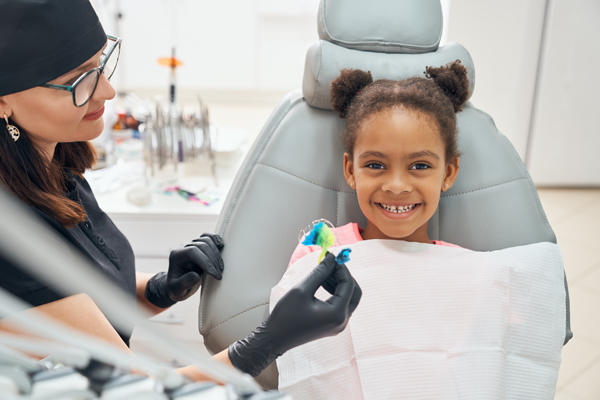
Kid friendly dentists are experienced in handling children with dental fears. Fear of the dentist and dental procedures is common and could cause patients to avoid dental care and lead to poor dental health. Symptoms exhibited by kids with dental phobia include sweating, dizziness, cardiac sensations, trembling, and tingling.
Managing Dental Anxiety
The kid-friendly dentist use anxiety-managing techniques to ease the patient’s discomfort. Some of those techniques are described below:
Pharmacological management
Managing pain and anxiety through pharmacology entails using sedation and general anesthesia, and is often only used when the patient cannot respond and cooperate properly with psychotherapeutic techniques, has dental phobia, or is unwilling to undergo the dental procedure. Children with special needs (mental retardation, mental illness, autism, traumatic brain injury) and medical issues will also need pharmacological methods.
Sedation involves using a drug or multiple drugs to suppress the central nervous system (CNS), to limit the patient’s cognizance of their surroundings. Depending on the level of dosage, the sedation may be general, conscious, or deep. Sedation does not stop any pain from occuring. Kids that have a minor systemic disease that does not cause any functional limitation, can be considered eligible for sedation.
Cognitive therapy
A patient’s thoughts and emotions are aligned, and their actions are based on their thoughts. Thought and expectations prompt different feelings and physiological reactions. Anxious patients usually have wrong notions and expectations about dental procedures. Helping them curb such negative thoughts is a method of reducing dental anxiety. Cognitive treatment techniques focus on changing and restructuring the basis of negative beliefs and help them control the negative thoughts. The kid-friendly dentist will attempt to distract the child from their fears using different cognitive methods such as distraction, encouragement, guided imagery, altering expectations, focusing attention, and thought stopping.
Positive reinforcements
This is an effective method used by a kid-friendly dentist to reward good behavior and encourage the recurrence of such behavior. The methods used could be a facial expression, positive voice modulation, verbal praise, and suitable physical display of affection by members of the dental team.
Distraction
Distraction means diverting the patient’s attention from what they may believe is an uncomfortable treatment. This causes a reduced perception of discomfort and stops negative or avoidance attitudes. Giving patients a brief break after a stressful dental procedure can be an effective way of distracting them before considering a more advanced behavior adjustment method. The dentist can use technologies for visual and auditory distraction, including a TV set, background music, computer games, and 2D or 3D glasses for movies.
Increasing control
Many patients often fear losing control when undergoing a treatment procedure. The dentist can reassure the patient by describing the treatment procedure and the techniques used to ensure their safety. The patient can get more control by learning about the process and with behavioral control.
Final note
A kid-friendly dentist can use different techniques to alleviate their patient’s fears and make them more comfortable when they sit in the dental chair. If your child is dealing with a form of dental anxiety, do not hesitate to talk to the dentist about anxiety-managing techniques.
Request an appointment here: https://www.hudgensdental.com or call Hudgens Dental at (843) 588-5115 for an appointment in our Charleston office.
Check out what others are saying about our dental services on Yelp: Kid Friendly Dentist in Charleston, SC.
Related Posts
Visits to a Kid-Friendly Dentist help children build positive dental habits by creating a welcoming, supportive environment that encourages comfort and confidence from an early age. A positive childhood experience often shapes lifelong attitudes toward oral health, making regular dental care easier as children grow. A dentist who understands the unique needs of young patients…
A sudden toothache, broken tooth, or swollen gum can turn an ordinary day into a stressful situation, making an emergency dentist an important resource. Some dental concerns can wait for a scheduled visit, but others need fast care to relieve pain and protect the tooth. Knowing what counts as a dental emergency can help patients…
If severe tooth pain returns after a previous root canal, an emergency dentist may recommend root canal retreatment to eliminate the infection and restore long-term dental health. While an initial endodontic procedure has a high success rate, complications can arise years later that require professional intervention. By choosing an emergency dentist, you can find immediate…
When it comes to improving the appearance of your smile, choosing the right cosmetic dentist can make all the difference. A great cosmetic dentist blends artistic skill with dental expertise, creating results that look natural and complement your overall facial features. Understanding what to look for can help you feel confident in your choice and…